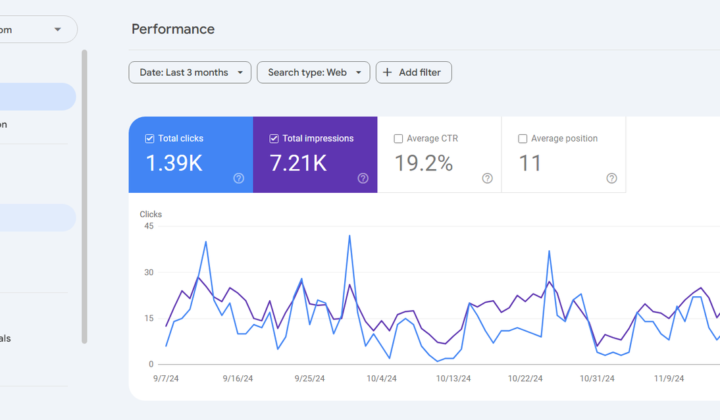
Chandragiri Hills is a tourism business in Nepal, and when I took on its SEO the website had weak visibility for the tourism-related searches that matter to it. This case study sets out the problem, the three strands of work and the results as I published them.
The challenge
The site was not showing up well for tourism-related searches. For a tourism business, that is the gap that hurts most. People who already know the name will usually find it, but the larger group, those still deciding where to go or where to hold a wedding, search for the experience rather than the brand. If the site is not visible for those searches, it never enters their shortlist.
The two searches that mattered most were “destination wedding nepal” and “cable car kathmandu”. Both describe what a visitor wants, not who provides it, which is exactly the kind of search a tourism site has to earn.
What I did
The approach had three parts.
- On-page optimisation. On-page SEO means making each page say clearly, in its title, headings and copy, what it offers and which search it answers. In principle, on a tourism site that means a visitor searching for an experience lands on a page built to answer that search.
- Technical fixes. Technical SEO deals with whatever stops search engines crawling, indexing and showing pages properly. Good content does little if Google cannot reach it or read it.
- Performance tracking. Tracking means watching how the site performs in search, which pages appear, for which searches and in what position, so that the work can be checked and adjusted rather than left to guesswork.
These strands support each other. On-page work tells Google what each page is about, technical fixes make sure Google can see it, and tracking shows whether the combination is working.
Results
- 2.44 million impressions.
- A consistent first-page position, with a score of 7.6.
- No.1 rankings for the primary keywords “destination wedding nepal” and “cable car kathmandu”.
A quick note on reading these. Impressions count how often the site appeared in search results, not how many people visited. Average position is the site’s typical place in the results across the searches it appeared for; a figure of 7.6 sits on the first page, where most clicks happen. The No.1 rankings matter most, because they are for the two searches the business cared about most.
What this shows
For an attraction, venue or tour operator, the searches worth winning usually describe the experience, not the business name. The lesson for a UK business owner in tourism is to identify the two or three searches that best describe what visitors come for, build pages that answer them clearly, make sure nothing technical is holding those pages back, and track their positions so you know whether the work is paying off.
The same principles apply to UK attractions and venues, though the searches and competitors will differ. If you run one, digital marketing for travel and tourism businesses explains how I approach the sector. To find out what is holding your own site back, request a free SEO audit.