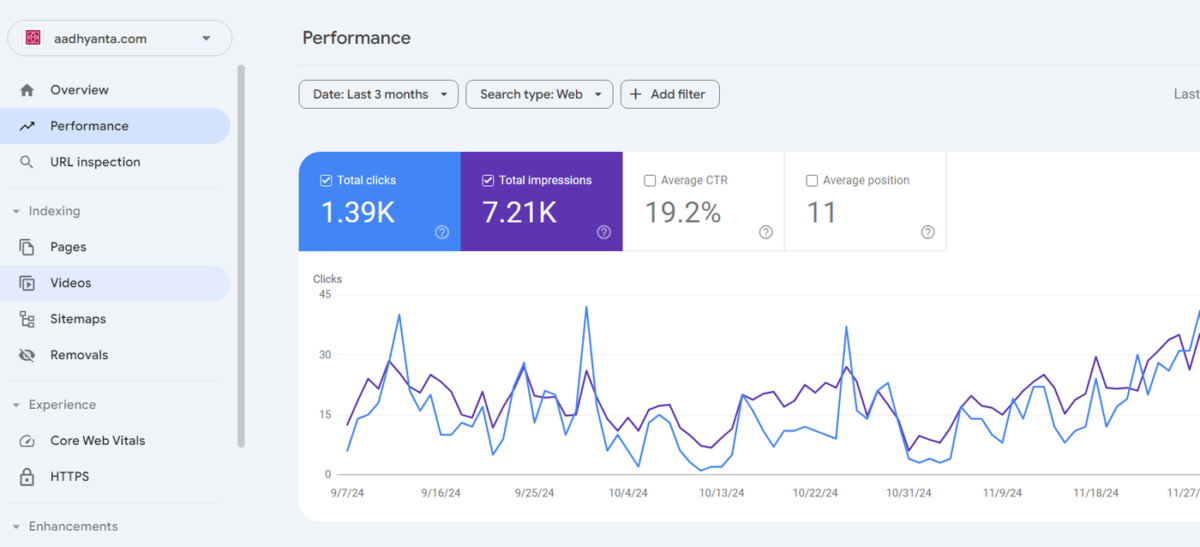
This project was for a venture capital firm in Nepal whose website had no structured SEO setup for the finance-specific searches its audience makes. The work was organic search only, and the figures below show what it achieved.
The challenge
The site had no structured SEO setup for finance-specific queries. In practice that means the pages had not been organised around the searches that people looking for an investor actually type, so Google had little reason to show them for those searches.
For a venture capital firm this matters. Founders looking for funding tend to compare several firms before they make contact, and a firm that does not appear for the obvious searches in its sector is easy to overlook.
What I did
The approach had three parts.
- Keyword organisation. Grouping the finance and investment terms the firm wanted to be found for and deciding which page should answer each one. In principle this is keyword mapping: one clear target per page, so pages are not competing with each other.
- On-page refinement. Tightening the content and headings on those pages so each one plainly answers the search intent behind its terms.
- Metadata improvements. Rewriting title tags and meta descriptions so that the result in Google says clearly what the page offers.
None of this is exotic. It is the groundwork that a specialist site often skips, and it is what the on-page SEO work I offer today is built on.
Results
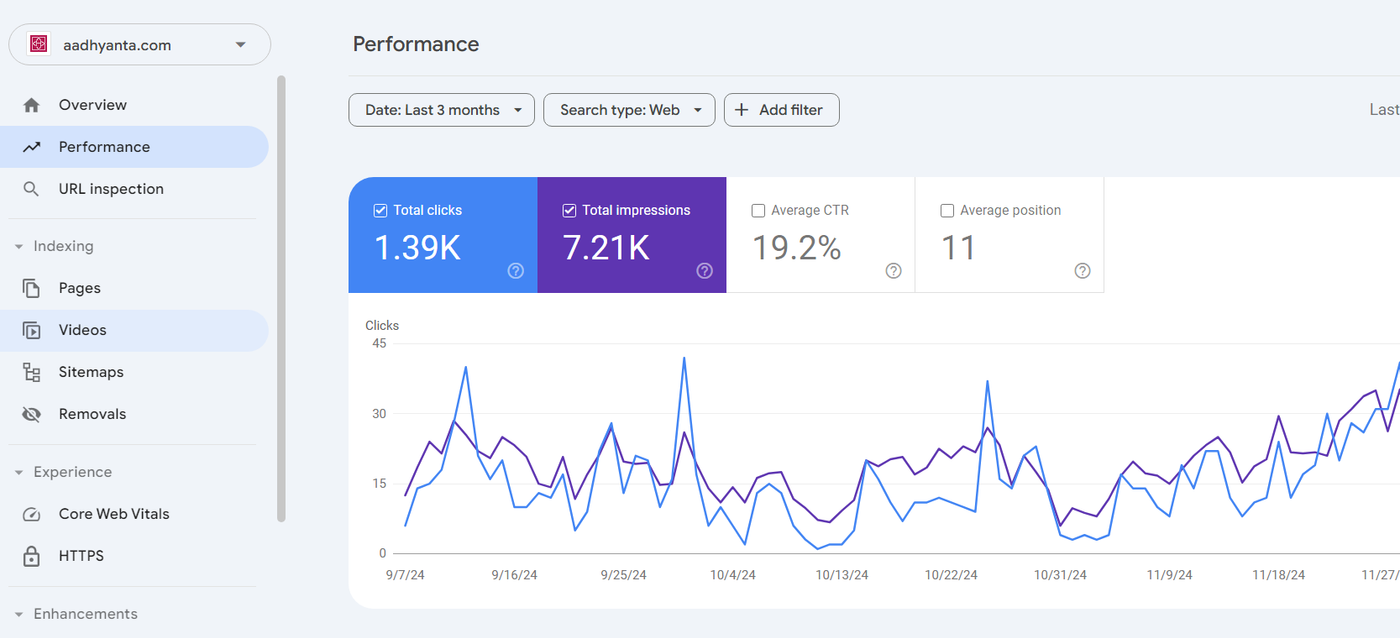
- 7.21K impressions in Google Search, with an upward growth graph.
- 1.39K clicks with a 19.2% click-through rate.
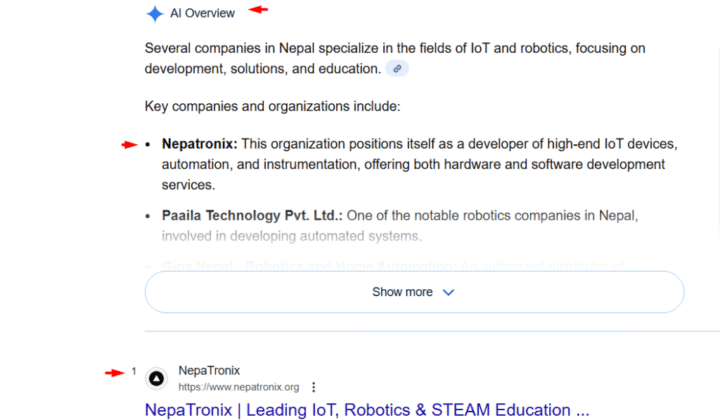
- No.1 ranking for venture capital related terms such as “best venture capital firm in Nepal” and “seek investment”.
A click-through rate of 19.2% means roughly one in five people who saw the site in the results clicked through to it. For a niche firm, a first position for a comparison search such as “best venture capital firm” puts it in front of founders at the moment they are drawing up a shortlist.
What this shows
A specialist firm does not need a huge volume of searches to benefit from SEO. It needs to be found for the handful of terms its prospects actually use, and that starts with organising those terms, giving each a page and making the title and description say what the page offers.
If you run a financial or investment business in the UK, the same groundwork applies, alongside the stricter rules on promoting financial products here. The page on SEO for banks, brokers and other regulated financial firms covers how I approach it, or you can request a free SEO audit to see which of your pages should be targeting which searches.